


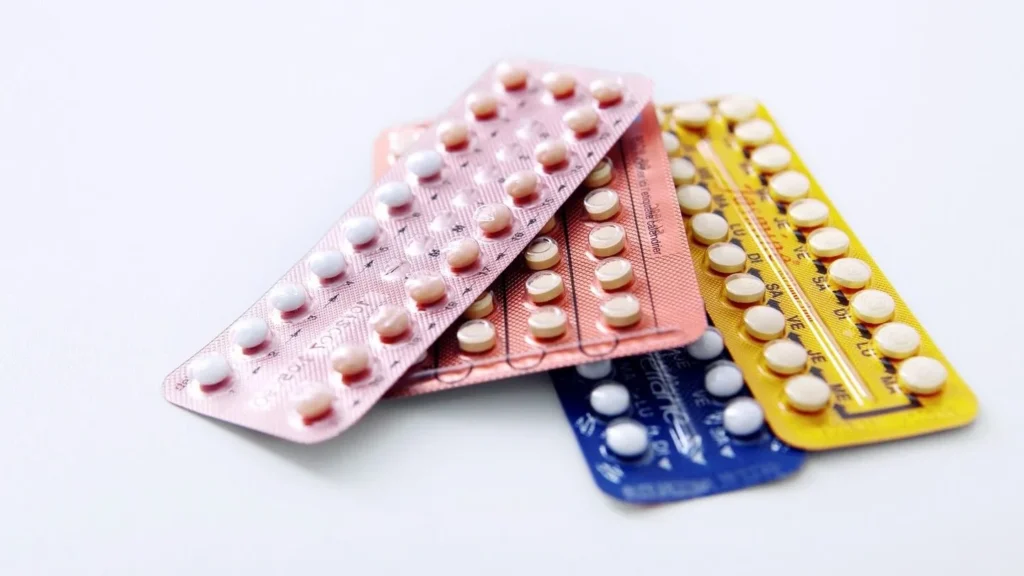
What is it?
Combined birth control pills, also known as “the pill”, are preparations that contain an estrogen and a progestin, a synthetic substance with an action similar to progesterone. Combined birth control pills stop your ovaries from releasing an egg. They also change the quality of the cervical mucus and the lining of your uterus to prevent sperm from joining the egg and to prevent implantation in the endometrium.
There are different types of combined oral contraceptive pills, which vary in their doses of estrogen and progestin. Continuous-dose or extended-cycle pills allow you to reduce the number of menstrual periods you have each year. If you are considering using combined oral contraceptive pills, your gynecologist can help you decide which type is most suitable for you.
Why take combined oral contraceptive pills?
Combined oral contraceptive pills are a reliable form of birth control that can be easily reversed at any time you choose. Your fertility can return to normal almost immediately after stopping the pills.
Additional benefits of these contraceptive pills include:
- Reduced risk of ovarian and endometrial cancer
- Prevention of ectopic pregnancy
- Improvement in acne
- Less severe menstrual cramps (dysmenorrhea).
- Reduction of androgen production caused by polycystic ovary syndrome (PCOS).
- Decreased heavy menstrual bleeding due to uterine fibroids or other causes, and lower risk of iron-deficiency anemia
- Relief from premenstrual syndrome (PMS).
- Shorter, lighter, and more predictable periods
- Better cycle control and reduced hot flashes in women approaching menopause (perimenopause)
Combined oral contraceptive pills are available in different combinations of active and inactive tablets, such as:
Conventional pack
The most common type contains 21 active pills and seven inactive pills. There are also formulations with 24 active pills and four inactive pills. You take one pill every day and start a new pack when you finish the previous one (every 28 days). Bleeding occurs each month during the week when you take the last four to seven inactive pills.
Continuous dosage or extended-cycle pack
These usually contain 84 active pills and seven inactive pills. Bleeding typically occurs only four times a year, during the seven days when you take the inactive pills.
There is also a 365-day pill available. You take this pill at the same time every day. For some women, menstrual periods stop completely, while for others, they become significantly lighter.
Continuous-dose and extended-cycle pills may offer additional benefits from menstrual suppression, such as:
- Prevention and treatment of excessive bleeding associated with uterine fibroids.
- Prevention of menstrual migraines
- Reduction in the worsening of certain neurological conditions linked to menstruation, including seizures
- Relief from pain associated with endometriosis.
However, combined oral contraceptives are not suitable for all women. The gynecologist may recommend another form of contraception if you:
- Are in the first month of breastfeeding
- Are over 35 years old and smoke
- Have poorly controlled high blood pressure
- Have a history or current condition of deep vein thrombosis (DVT) or pulmonary embolism
- Have a history of stroke or heart disease
- Have a history of breast cancer.
- Experience migraines with aura
- Have diabetes with complications, such as nephropathy, retinopathy, or neuropathy
- Have liver disease
- Have unexplained uterine bleeding (metrorrhagia)
- Must remain immobilized for a prolonged period due to major surgery
Risks
It is estimated that 9 out of 100 women who use combined oral contraceptive pills will become pregnant during the first year of use. With perfect use, according to instructions, the pregnancy rate is less than 1 in 100 women per year. Although taking combined oral contraceptive pills during early pregnancy does not increase the risk of birth defects, it is best to stop taking them immediately if you suspect that you are pregnant. Combined oral contraceptive pills do not protect against sexually transmitted infections (STIs). Combined oral contraceptive pills may cause side effects such as:
- Breakthrough bleeding or spotting, more common with continuous-dose or extended-cycle pills
- Breast tenderness
- Increased blood pressure
- Headaches
- Nausea
- Bloating
Some side effects (including nausea, headaches, breast tenderness, and bleeding) may decrease with continued use. Combined oral contraceptive pills, however, increase the risk of certain conditions, which can be serious. Some of these include:
- Blood clots in the legs
- Heart attack and stroke, especially if you smoke
- Liver disorders
- Gallbladder disease
Contact your gynecologist as soon as possible if you are taking combined oral contraceptive pills and experience:
- Abdominal pain
- Breast lump
- Chest pain
- Depression
- Difficulty speaking
- Eye problems, such as blurred or double vision or loss of vision, fainting
- Jaundice, yellowing of the skin
- New or worsening headaches
- Seizures
- Severe allergic skin rash
- Severe leg pain or swelling
- Severe mood changes
- Two missed periods or signs of pregnancy
How to prepare for the proper use of contraceptive pills
You will need to ask your gynecologist for a prescription for combined birth control pills. Your gynecologist will check your blood pressure, weight and medical history, including the medications you take. They will also ask about your concerns and preferences to help you decide which combined pill is right for you. Gynecologists generally recommend pills with the lowest hormone dose that will prevent pregnancy, offer important non-contraceptive benefits and minimize side effects. Although the amount of estrogen in combination pills can be as low as 10 micrograms (mcg) of ethinyl estradiol, most modern preparations contain 20 to 30 mcg, while some newer pills contain natural estradiol or estetrol instead of ethinyl estradiol.
Low-dose pills may lead to more breakthrough bleeding compared to pills with higher estrogen levels. Combined pills are classified based on whether the hormone doses remain constant or vary throughout the cycle:
- Monophasic: Each active pill contains the same amount of estrogen and progestin.
- Biphasic: The active pills contain two combinations of estrogen and progestin.
- Triphasic: The active pills contain three combinations of estrogen and progestin.
In some types, the progestin content increases over the cycle. In others, the progestin dose remains constant, while the estrogen content increases.
What to expect and what to watch for:
To use combined oral contraceptive pills correctly:
Consult your gynecologist about a suitable start date.
If you are using the quick-start method, you can take the first pill immediately from your pack.
If you are using the Sunday-start method, take your first pill on the first Sunday after your period begins.
With either method, use a backup form of contraception for the first seven days of taking the pills.
If you are using the first-day-start method, take your first pill on the first day of your next period; in this case, no backup contraception is needed. Choose a consistent time each day to take your pill. Establishing a routine helps prevent missed doses and ensures you take it at the same time daily. For example, consider taking your pill when you brush your teeth in the morning. Follow your gynecologist’s instructions carefully. Birth control pills are effective only when used correctly, so make sure you understand the directions.
If you are using conventional combined oral contraceptive pills and want to have regular periods, take all pills in your pack (both active and inactive) and start a new pack the day after finishing the current one.
If you wish to avoid monthly periods, ask your gynecologist how to take the pills and how many packs of active pills you can use in a row.
Be careful with missed pills:
If you miss one active pill, take it as soon as you remember, even if that means taking two active pills in one day.
Continue the rest of the pack as usual and use a backup method for seven days if the pill was missed for more than 12 hours.
If you miss more than one active pill, take the last pill you missed right away.
If you miss more than one active pill, take the last missed pill immediately, then continue the rest of the pack as normal and use backup contraception for seven days.
If you had unprotected sex, consult your gynecologist about emergency contraception.
Do not take breaks between packs.
Always have your next pack ready before finishing the current one.
If you vomit within two hours after taking a combined oral contraceptive pill, or experience severe vomiting or diarrhea for two or more days, treat it as if you missed a pill.
Birth control pills: what types are available
- Combined birth control pills: contain an estrogen and a progestin. They are the most widely used, regulate the cycle and often improve acne and period pain.
- Progestin-only pills: suitable when estrogen is not recommended, for example during breastfeeding, with migraine with aura, or in smokers over 35.
- Continuous or extended use: taken without a break or with less frequent breaks, so that periods come less often.
If the pill does not suit you, there are many alternatives, from the vaginal ring and the patch to the IUD. See all contraceptive methods and, if contraception fails, the morning-after pill.
The progestin makes the difference: pill types and blood clot risk
All combined birth control pills contain an estrogen, but the progestin varies from product to product. This choice affects side effects, acne, fluid retention and the risk of venous blood clots.
- Levonorgestrel, norethisterone, norgestimate: linked to the lowest risk of blood clots among combined pills.
- Desogestrel, gestodene, drospirenone: associated with a slightly higher risk, but may suit women with acne or fluid retention better.
- Dienogest, cyproterone acetate: often used for severe acne, excess hair growth (hirsutism) or endometriosis pain, after an individual assessment.
To put the risk in context: according to the European Medicines Agency, about 2 in 10,000 women who do not take the pill develop a venous blood clot each year. With levonorgestrel pills this number is about 5 to 7 in 10,000, and with desogestrel, gestodene or drospirenone about 9 to 12 in 10,000. Pregnancy itself and the postpartum period carry a higher risk than any pill. The risk is highest in the first year of use and when you restart after a break of several weeks.
Medications and conditions that reduce the pill's effectiveness
Some medications speed up the breakdown of hormones in the liver and reduce protection. Always tell any doctor who prescribes a new medication that you take a contraceptive.
- Rifampicin and rifabutin, which are used to treat tuberculosis.
- Certain antiepileptic drugs, such as carbamazepine, phenytoin, oxcarbazepine and topiramate at high doses.
- Certain antiretroviral drugs.
- The herbal remedy St John’s wort.
Common antibiotics, such as amoxicillin, do not appear to reduce effectiveness. However, vomiting and severe diarrhea can reduce it, as described above. Conversely, the pill lowers blood levels of lamotrigine, so women who take it need closer monitoring by their neurologist.
The pill at different stages of life
After delivery
The risk of blood clots is increased in the first weeks after giving birth. That is why the combined pill is not started before 3 weeks, and often later. During breastfeeding estrogen-free methods are usually preferred in the first months, because estrogen may reduce milk production.
After an abortion or miscarriage
After an abortion or a first-trimester miscarriage, the pill can usually be started right away, with no need for a backup method if it is started within the first few days.
After 40
Women without risk factors who do not smoke and have normal blood pressure and weight can usually continue the combined pill until about age 50. In perimenopause it also helps control irregular periods and hot flashes. After 50, switching to a progestin-only method or an IUD is discussed.
Monitoring while you take the birth control pill
- Blood pressure and weight: measured before starting and at least once a year.
- New symptoms: new-onset migraine, especially with aura, is a reason to stop the pill and reassess the method.
- Screening: the pill does not replace the Pap test and HPV testing, which continue as usual.
- Blood tests: are not needed routinely, unless there is a personal or family history of blood clots at a young age.
For a personalized assessment of your case, book an appointment with Dr. Panagiotis Polyzos at his office in Athens or Volos.
Frequently Asked Questions
How effective is the birth control pill?
With perfect use, over 99%. In everyday practice, with forgotten pills, effectiveness drops to about 91 to 93%.
What should I do if I forget a pill?
Take it as soon as you remember and continue as usual. If more than 24 hours have passed or you missed two, use condoms for 7 days and read the product's instructions. In some cases you may need the morning-after pill.
Do birth control pills cause weight gain?
Studies do not show meaningful weight gain with modern low-dose pills. Some women notice mild fluid retention in the first few months.
Do they affect future fertility?
No. Fertility usually returns within one to three months after stopping, no matter how many years you took them.
Which women should not take them?
Smokers over 35, women with a history of blood clots, migraine with aura, uncontrolled high blood pressure, breast cancer or severe liver disease. For other options, see the contraceptive methods.
Do I need to take a break from the pill every few years?
No. There is no medical benefit to taking breaks. On the contrary, each restart after a break of a few weeks temporarily increases the risk of blood clots and the risk of unplanned pregnancy.
Can I start the pill right after emergency contraception?
After a levonorgestrel pill, the combined pill can be started right away, with condoms for 7 days. After an ulipristal acetate pill, waiting 5 days before starting is recommended, with condoms during that whole time and for 7 days afterward. A pregnancy test is needed 3 weeks after unprotected sex.
Is spotting normal in the first few months?
Breakthrough bleeding is common in the first 3 months and usually settles. If it continues, appears after months of good tolerance, or comes with pain or bleeding after sex, it needs evaluation for missed pills, infection, a polyp or pregnancy.