


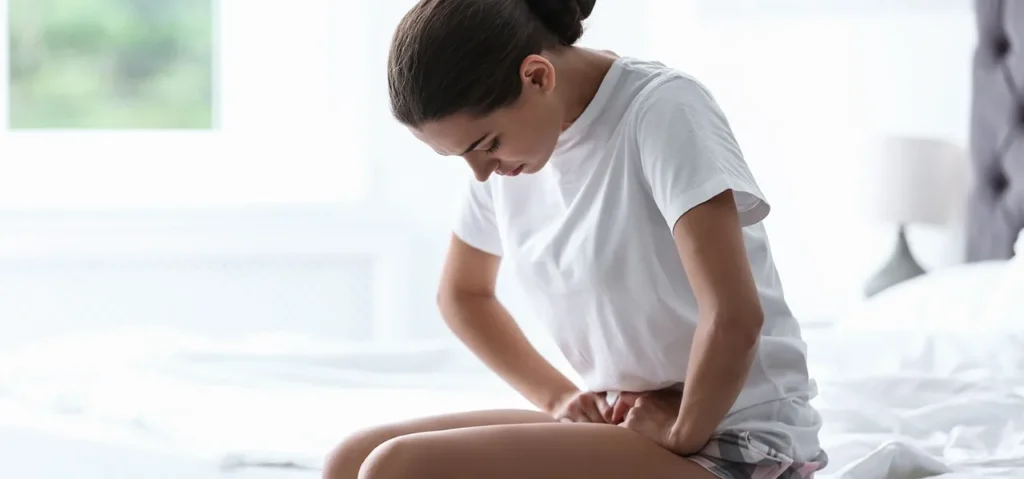
Premenstrual syndrome (PMS) refers to the 4 to 6 days before menstruation, when a wide variety of symptoms may appear, such as mood swings, breast tenderness, increased food cravings, fatigue, irritability and depression. It is estimated that up to 3 out of 4 menstruating women have experienced some form of premenstrual syndrome during their reproductive years. Symptoms tend to recur more and more. The physical and emotional changes you experience with premenstrual syndrome can range from barely noticeable to intense. However, you do not have to let these problems control your life. Treatments and lifestyle adjustments can help you reduce or manage its signs and symptoms.
Symptoms
- Tension or anxiety
- Depressed mood
- Mood swings, sadness, irritability or anger
- Changes in appetite and increased food cravings
- Difficulty sleeping (insomnia)
- Social isolation
- Poor concentration
- Change in libido
Physical signs and symptoms
- Pain in the joints or muscles
- Headache
- Fatigue
- Weight gain associated with fluid retention
- Abdominal bloating
- Breast tenderness and pain
- Acne flare-ups
- Constipation or diarrhea
- Alcohol intolerance
A small number of women with premenstrual syndrome have symptoms almost every month. For some, the physical pain and emotional stress are severe enough to affect their daily lives. This form of PMS is called premenstrual dysphoric disorder (PMDD). The signs and symptoms of PMDD include depression, intense mood swings, anger, anxiety, feeling overwhelmed, difficulty concentrating, irritability and tension.
When to see your doctor
If you are unable to manage your premenstrual syndrome with small but significant lifestyle changes and its symptoms are affecting your health and daily activities, see your doctor immediately.
Causes
Exactly what causes PMS is unknown, but several factors may be key contributors:
- Cyclical hormonal changes
Premenstrual syndrome symptoms change with hormonal fluctuations and disappear during pregnancy and after menopause.
- Chemical changes in the brain
Fluctuations in serotonin, a brain chemical (neurotransmitter) believed to play a key role in mood control, could cause PMS symptoms. Insufficient amounts of serotonin can contribute to premenstrual depression, as well as fatigue, food cravings and sleep problems.
- Depression
Some women with severe premenstrual syndrome have undiagnosed depression, although depression alone does not cause all symptoms.
Diagnosis
There are no laboratory tests to confirm premenstrual syndrome. To help with the diagnosis, your doctor may ask you to record your signs and symptoms in a diary for at least two menstrual cycles. Note the day you first notice PMS symptoms, as well as the day they go away. Be sure to also note the days your period starts and ends. Certain conditions can mimic PMS, including chronic fatigue syndrome, thyroid disorders and mood disorders such as depression and anxiety.
Treatment
For many women, changes in daily lifestyle, diet modification and physical exercise can help relieve PMS symptoms. But depending on the severity and intensity of your symptoms, your doctor may prescribe one or more medications for the syndrome. The success of medications in relieving symptoms varies among women. Medications commonly prescribed for premenstrual syndrome may include:
Antidepressants
Selective serotonin reuptake inhibitors (SSRIs), which include fluoxetine (Prozac), paroxetine (Paxil, Pexeva), sertraline (Zoloft) and others, have been successful in reducing mood symptoms. SSRIs are the first-line treatment for severe PMS or PMDD. These medications are generally taken daily. But for some women with PMS, antidepressant use may be limited to the two weeks before menstruation starts.
Non-steroidal anti-inflammatory drugs (NSAIDs)
Taken before or at the start of your period, NSAIDs such as ibuprofen or naproxen can relieve cramps and breast discomfort.
Diuretics
When exercise and limiting salt intake are not enough to reduce the weight gain, swelling and bloating of premenstrual syndrome, diuretics can help your body get rid of excess fluid through urination.
Contraceptives
Under medical supervision, these medications can relieve PMS symptoms in younger age groups.
Lifestyle and treatments
Most of the time you can manage or reduce the symptoms of premenstrual syndrome by making changes to your diet, exercise and approach to your daily routine on your own.
Modify your diet
Eat smaller, more frequent meals to reduce bloating and the feeling of fullness. Limit salt and salty foods to reduce bloating and fluid retention. Choose foods high in complex carbohydrates, such as fruits, vegetables and whole grains. Choose foods rich in calcium. If you can't tolerate dairy products or don't get enough calcium in your diet, a daily calcium supplement can help. Avoid excessive caffeine and alcohol consumption.
Incorporate exercise into your daily routine
Do at least 30 minutes of brisk walking, cycling, swimming or other aerobic activity most days of the week. Regular daily exercise can help improve your overall health and relieve certain symptoms, such as fatigue and depression.
Reduce stress
Get plenty of sleep. Practice progressive muscle relaxation or deep breathing exercises to help reduce headaches, anxiety or sleep problems (insomnia). Try yoga or massage to relax and relieve stress.
Record your symptoms systematically and methodically for a few months. Keep a record to identify the triggers and timing of your symptoms. This will allow you to respond with personalized strategies that may help reduce them.
Vitamin supplements
Taking supplements of calcium, magnesium, vitamin E and vitamin B6, which soothe the symptoms, is an excellent option. Relief of premenstrual syndrome symptoms has also been reported with herbs such as ginkgo biloba, ginger, chasteberry (Vitex agnus-castus) and evening primrose oil.
Acupuncture
Many women report relief from symptoms after acupuncture treatment.
There is not enough scientific evidence to show that homeopathy or other alternative methods benefit PMS.
Period symptoms: what you feel 10 days before
Period symptoms start after ovulation, when estrogen and progesterone levels fall. In most women they appear 5 to 10 days before the period and ease in its first days. The most common are:
- Physical: bloating, breast tenderness and swelling, lower abdominal cramps, headache, lower back pain, acne, fluid retention, fatigue.
- Emotional: irritability, mood swings, anxiety, crying, difficulty concentrating, cravings for sweet or salty foods.
- Other: sleep problems, constipation or diarrhea, and sometimes frequent urination.
When symptoms are severe enough to affect work and relationships, we speak of premenstrual syndrome, and in its severe form of PMDD. A symptom diary kept for two cycles helps a lot with diagnosis.
Period symptoms or pregnancy?
Many period symptoms resemble the first signs of pregnancy: breast tenderness, fatigue, bloating, mild cramps. Two differences help: nausea and aversion to smells are more typical of pregnancy, and PMS symptoms fade as soon as your period arrives. If you have a late period, take a test. More about the first symptoms of pregnancy.
When PMS becomes PMDD: the diagnostic criteria
Premenstrual dysphoric disorder is not just “more intense PMS”. It is recognized as a separate diagnosis and affects about 3 to 8 in 100 women of reproductive age. Diagnosis requires:
- at least five symptoms in the week before the period, in most cycles over the past year
- at least one of them related to mood: marked sadness or hopelessness, marked anxiety, sudden mood swings, marked irritability or anger
- symptoms that ease within a few days of the period starting and are absent in the week after
- a clear impact on work, studies or relationships
The diagnosis is confirmed by recording symptoms daily for at least two cycles, not by recalling them afterward. If mood symptoms continue after the period, it is most likely a different disorder that needs another approach. Thoughts of self-harm, at any phase of the cycle, need immediate help from a specialist.
Premenstrual worsening of other conditions
Some women do not have PMS in the strict sense, but notice that an existing condition gets worse before their period. This is called premenstrual exacerbation and often involves:
- migraines, linked to the drop in estrogen
- depression and anxiety disorders
- irritable bowel syndrome
- asthma and epilepsy, to a lesser extent
The distinction matters. In PMS, symptoms disappear after the period. In premenstrual exacerbation, the condition is present all month and simply peaks. Treating the underlying condition, sometimes with a dose adjustment before the period, usually brings the best result.
What the science supports in treating PMS
There are many options, but they do not all have the same level of evidence. Based on the guidelines of the Royal College of Obstetricians and Gynaecologists (UK):
- Good evidence: aerobic exercise, cognitive behavioral therapy, selective serotonin reuptake inhibitors (SSRIs), certain newer-generation combined birth control pills taken ideally on a continuous schedule.
- Moderate or limited evidence: calcium with vitamin D, low-dose vitamin B6, chasteberry (Vitex agnus castus).
- Insufficient evidence: progesterone as a treatment for PMS, evening primrose oil and homeopathy.
- For severe, treatment-resistant forms: GnRH analogs that temporarily “switch off” the cycle, usually with added hormones to protect the bones. In exceptional cases, surgery may be discussed.
Vitamin B6 should not be taken in high doses for a long time, because it can cause neuropathy. Always discuss supplements with your doctor.
Premenstrual syndrome at different ages
PMS does not stay the same throughout life. In adolescence, when cycles are still irregular, symptoms are often less predictable. Many women report that symptoms become more intense after 30.
In perimenopause the large hormonal fluctuations can intensify irritability, poor sleep and mood changes, and the line between PMS and menopausal transition symptoms blurs. After menopause, with no cycle, PMS disappears, unless hormone replacement therapy causes cyclical symptoms.
A simple symptom diary that helps diagnosis
Nothing complicated is needed. Every evening, for two to three cycles, rate from 0 to 3 the symptoms that bother you: mood, irritability, anxiety, fatigue, sleep, bloating, breast pain, headache. Mark the days of your period with a symbol.
At the end, the pattern is clear at a glance. If the high scores cluster before the period and “fade” a few days after it, this supports the diagnosis. If they are spread across the whole menstrual cycle, the cause probably lies elsewhere.
For a personalized assessment of your case, book an appointment with Dr. Panagiotis Polyzos at his office in Athens or Volos.
Frequently Asked Questions
How many days before your period does PMS start?
Usually 5 to 10 days before, after ovulation. Symptoms ease within the first days of the period.
What is the difference between PMS and PMDD?
Premenstrual dysphoric disorder (PMDD) is the severe form, with marked sadness, irritability or anxiety that disrupts work and relationships. It needs medical treatment.
How do I tell PMS from early pregnancy?
The symptoms are similar: breast tenderness, fatigue, bloating. PMS stops when your period comes. If it is late, take a test. See the first symptoms of pregnancy.
What helps with premenstrual syndrome?
Regular exercise, good sleep, and less salt, caffeine and alcohol. For more severe symptoms, the doctor may suggest calcium, vitamin B6, birth control pills or other medication.
When do I need a doctor?
When symptoms affect your work or relationships, when your mood drops a lot or when lifestyle changes do not help. A symptom diary covering two cycles helps with diagnosis.
What are the period symptoms 10 days before?
Bloating, breast tenderness, cramps, headache, acne, fatigue, mood swings and cravings. They start after ovulation and ease when your period arrives.
Is there a blood test for premenstrual syndrome?
No. Hormone levels in women with PMS are usually normal. The problem seems to be the brain's sensitivity to their normal fluctuations. Blood tests are done only to rule out other causes, such as thyroid problems or anemia.
Can PMS appear for the first time after 35?
Yes. Many women first notice marked premenstrual symptoms after 35 or after a pregnancy. After 40, the changes may also be related to the start of the transition to menopause.
Does continuous use of birth control help PMS?
For many women, yes. Continuous use, without a monthly break, reduces the hormonal fluctuations that trigger symptoms. Your gynecologist chooses the preparation and regimen based on your history and risk factors.
Do I need to take an antidepressant all month for PMDD?
Not necessarily. In PMDD, serotonin reuptake inhibitors act quickly and can be taken only in the two weeks before the period or only when symptoms appear. The regimen is decided together with your doctor.