


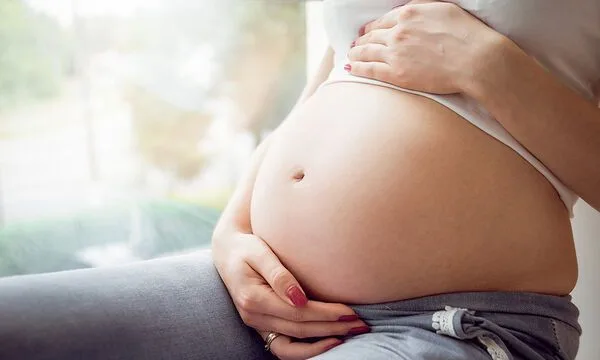
Lifestyle choices can affect a woman’s ability to conceive.
If you are hoping to become pregnant, you may wonder about your fertility and whether you can improve it. Some factors may be beyond your control, such as medical conditions that affect your ability to conceive. However, your lifestyle choices can also have an impact on your fertility. Here’s what you need to know to support and protect your fertility.
What is female fertility?
Female fertility refers to a woman’s ability to conceive a child. You and your partner may begin to wonder about your fertility if you have been trying to conceive through regular, unprotected sexual intercourse for at least one year — or for six months if you are over the age of 35 — without success.
What causes female fertility problems?
Several medical conditions can contribute to female fertility problems, including:
Ovulation disorders, which affect the release of eggs from the ovaries. These include hormonal disorders such as polycystic ovary syndrome (PCOS), hyperprolactinemia, and thyroid problems (hyperthyroidism or hypothyroidism).
Uterine or cervical abnormalities, such as polyps or fibroids in the uterus.
Fallopian tube damage or blockage, often caused by pelvic inflammatory disease (PID).
Endometriosis, which occurs when tissue that normally lines the inside of the uterus grows outside the uterus.
Primary ovarian insufficiency (premature menopause), which occurs when the ovaries stop functioning normally and menstruation ends before the age of 40.
Pelvic adhesions — bands of scar tissue that bind organs together after a pelvic infection, appendicitis, or abdominal or pelvic surgery.
Medical conditions associated with the absence of menstruation, such as poorly controlled diabetes, celiac disease, and certain autoimmune disorders like lupus (systemic lupus erythematosus).
Reproductive age. Delaying pregnancy can reduce the likelihood of conception. As you age, the quantity and quality of your eggs decline, making it more difficult to conceive.
What can I do to promote female fertility?
Healthy lifestyle choices can help you support and improve your fertility. Here are some steps you can take:
Maintain a healthy weight. Being overweight or significantly underweight can interfere with normal ovulation.
Prevent sexually transmitted infections. Infections such as chlamydia and gonorrhea are major causes of infertility in women.
Avoid night shift work, if possible. Regular night shifts may increase your risk of infertility by affecting hormone production. If you work at night, make sure to get enough rest when you’re not working.
Manage stress. While stress itself doesn’t prevent pregnancy, try to minimize it and adopt healthy coping strategies — such as relaxation techniques — when trying to conceive.
Healthy lifestyle choices matter here too. To protect your fertility:
Do not smoke. Tobacco use is linked to reduced fertility. Smoking ages your ovaries and damages your eggs prematurely. If you smoke, ask a specialist for help to quit.
Limit alcohol consumption. Heavy drinking is associated with an increased risk of ovulation disorders. If you are trying to conceive, consider avoiding alcohol completely. Abstinence during conception and pregnancy is generally recommended, as no safe level of alcohol consumption during pregnancy has been established.
Limit caffeine intake. Female fertility does not appear to be affected by caffeine consumption below 200 milligrams per day. Consider limiting your caffeine intake to one or two cups of coffee a day.
Be careful about overexercising. Excessive intense physical activity can suppress ovulation and reduce production of the hormone progesterone. If you are at a healthy weight and are thinking of getting pregnant soon, consider limiting intense physical activity to less than five hours a week.
Avoid exposure to toxins. Environmental pollutants and toxins — such as pesticides, dry-cleaning solvents, and lead — can negatively affect fertility.
If you are planning to become pregnant and are concerned about how your lifestyle choices may affect your fertility, consult your gynecologist for advice. They can help you identify ways to improve your fertility and increase your chances of conception.
Caffeine, alcohol and smoking: the facts about fertility
Does caffeine affect fertility?
Not in moderate amounts. Studies show no effect on conception when intake stays below 200 mg of caffeine a day, which is one to two cups of coffee. Above 300 to 500 mg a day the picture changes: some studies find a delay in conception and a higher risk of miscarriage. Count the caffeine from tea, cola drinks, energy drinks and chocolate too. The same limit applies during pregnancy.
Should I stop drinking alcohol before conception?
That is the safest choice. The embryo develops rapidly in the first weeks, before you even know you are pregnant, and no safe amount of alcohol has been established for pregnancy. Regular drinking disrupts ovulation and is linked to a higher risk of miscarriage. In men, it lowers testosterone and sperm quality. If you are trying to conceive, both of you should keep it to a minimum or cut it out completely.
Can smoking affect sperm and eggs?
Yes, in both sexes. In men, smoking reduces sperm count and motility and increases sperm DNA damage. In women, it speeds up egg loss, brings menopause earlier and lowers the success rates of IVF (in vitro fertilization). The same applies to secondhand smoke and, based on the data so far, to e-cigarettes with nicotine. Because sperm production takes about three months, improvement shows two to three months after quitting.
Coffee and IVF: the facts
Coffee is not forbidden during IVF. Studies show that moderate intake, up to 200 mg of caffeine a day (about one to two cups of coffee), does not affect success rates. Large amounts, on the other hand, above 300 to 500 mg, have been linked to lower pregnancy rates and a higher risk of miscarriage. In practice:
- Limit yourself to one or two cups of coffee a day from the start of ovarian stimulation.
- Count the “hidden” caffeine too: tea, cola, energy drinks, chocolate.
- After embryo transfer you should stick to the same limits, which also apply during pregnancy.
- Decaf is a good alternative if you miss the taste.
For every stage of treatment, see how in vitro fertilization works, step by step.
What lifestyle cannot change: the biological clock of your eggs
A woman is born with all the eggs she will ever have. At birth there are about one to two million, by puberty a few hundred thousand remain, and the number keeps falling every month, whether or not ovulation occurs and whether or not you take birth control pills. Quality declines along with numbers: after 35, the proportion of eggs with chromosomal abnormalities gradually increases.
A healthy lifestyle protects the eggs you have and improves the environment in which they mature. It cannot turn back the clock, though. If you are not planning a pregnancy soon, a measurement of anti-Müllerian hormone (AMH) together with an ultrasound gives a picture of your ovarian reserve. It does not predict whether you will get pregnant, but it helps you decide whether it makes sense to consider egg freezing.
Dietary pattern and female fertility
There is no “miracle food” for fertility. There is, however, an overall dietary pattern that seems to help. Observational studies have associated a Mediterranean-style diet with better ovulation and, in some studies, with better IVF outcomes.
- More: vegetables, legumes, fruit, whole grains, olive oil, nuts, fish twice a week.
- Less: processed meats, sugary drinks, foods with trans fats, highly processed carbohydrates.
- Fish, wisely: choose small fish such as sardines, anchovies and salmon, and limit large predatory fish, such as swordfish and large tuna, because of mercury.
- Vitamin D: low levels are common, even in Greece. A simple blood test shows whether you need a supplement.
- No to crash diets: rapid weight loss or very low energy intake can stop ovulation.
Endocrine disruptors: practical everyday steps
Some chemicals mimic or block hormones. The most studied are bisphenol A and phthalates in plastics, as well as certain pesticides. Their effect on humans is hard to measure precisely, but reducing exposure is simple and costs nothing:
- do not heat food in plastic containers in the microwave, use glass or ceramic instead,
- wash fruit and vegetables thoroughly,
- cut down on ready-made, highly processed packaged foods,
- air out your home and avoid air fresheners and harsh chemical cleaners,
- if your work involves solvents, paints or pesticides, use the recommended protective equipment.
How to protect your fertility from gynecological conditions
Many fertility problems begin years before you start trying for a baby. Early treatment makes a difference:
- Sexually transmitted infections: chlamydia often causes no symptoms. Testing with every new partner and prompt treatment protect the fallopian tubes.
- Severe period pain: it is not “normal” when it keeps you at home. It may be hiding endometriosis, which is easier to manage when diagnosed early.
- Ovarian surgery: if you need surgery for ovarian cysts, ask how the healthy ovarian tissue will be protected. Repeated operations reduce the ovarian reserve.
- Cancer treatments: chemotherapy and pelvic radiation therapy can damage the ovaries. Before treatment starts, ask to discuss fertility preservation. There is often time to freeze eggs or embryos.
Fertility decade by decade: what is worth doing
- In your 20s: protection from sexually transmitted infections, the HPV vaccine if you have not had it, regular Pap tests, and investigation of an irregular cycle or severe pain.
- In your 30s: if pregnancy is not in your immediate plans, a discussion about ovarian reserve. Quit smoking and stabilize your weight before you start trying.
- After 35: less time to wait. Get checked after six months of trying, or sooner if there are warning signs.
- After 40: prompt evaluation as soon as you start trying, with realistic information about your options, including egg donation.
Your partner’s lifestyle matters just as much
Conception also needs good sperm. Sperm production takes about three months, so the changes a man makes today show up in a semen analysis three months later. Smoking, obesity, anabolic steroids, frequent exposure of the testicles to heat, such as saunas or a laptop on the lap for hours, and regular alcohol consumption all harm sperm quality. Changes are easier when you make them together. If the semen analysis shows abnormal findings, read more about male infertility.
For a personalized assessment of your case, book an appointment with Dr. Panagiotis Polyzos at his office in Athens or Volos.
Frequently Asked Questions
At what age does female fertility start to decline?
The decline starts gradually after 30, becomes more noticeable after 35 and steep after 40, because both the number and the quality of the eggs decrease.
Does weight affect fertility?
Yes. Both excess weight and very low weight disrupt ovulation. Losing even 5 to 10% of your body weight can restore your cycle. Read about obesity and infertility.
How much coffee can I drink while trying to conceive?
Up to 200 mg of caffeine a day, which is one to two cups of coffee, is considered a safe limit.
Does smoking harm the eggs?
Yes. It speeds up egg loss, brings menopause earlier and lowers IVF success rates. Quitting helps at any age.
Which supplements do I need before conception?
Folic acid 400 mcg a day, starting at least one month before, and vitamin D if your levels are low. Discuss anything else with your doctor. See also our tips on how to get pregnant.
Is coffee allowed during IVF?
Yes, in moderation. Up to 200 mg of caffeine a day, which is one to two cups of coffee, is considered safe before and after embryo transfer. Larger amounts are best avoided.
Does the Mediterranean diet help fertility?
Observational studies link it to better ovulation and, in some cases, to better IVF outcomes. It is not a treatment, but it is a safe dietary pattern that also supports pregnancy.
Can I find out how many eggs I have?
Not precisely, but anti-Müllerian hormone and an ultrasound count of the follicles give an estimate of your ovarian reserve. They show how well you would respond to ovarian stimulation, not whether you will conceive naturally.
Do plastic containers affect fertility?
Some substances in plastics act like hormones, but their effect on human fertility has not been quantified with certainty. Avoiding heating food in plastic is a simple precaution.
Can celiac disease affect fertility?
Undiagnosed or poorly controlled celiac disease has been linked to infertility and miscarriage. A strict gluten-free diet lowers the risk. If you have unexplained infertility or iron deficiency anemia, testing is simple.