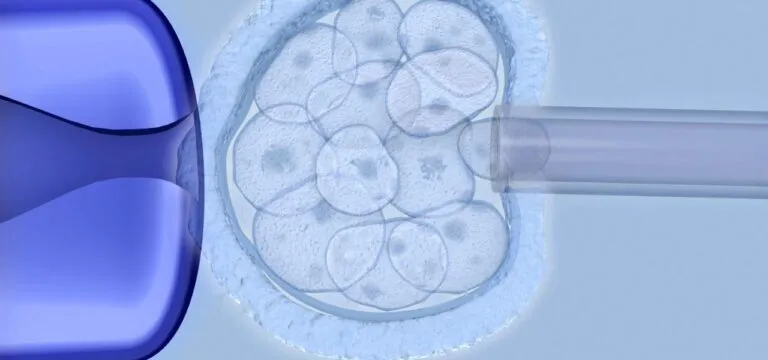
While many women know that egg donation can be the most effective option to help them bring a baby into the world, they often worry about whether they will be able to love a child conceived through this process. Since we all have the natural desire to pass on our own genes, this concern is completely understandable.
However, it’s important to highlight a great truth here: it is not DNA that makes a baby yours — it is the love you give them!
The answer to this question must come from within the heart — and interestingly, those who are most worried about their ability to love a baby conceived through egg donation are usually the ones who become the most devoted and loving parents.
Below are the most common reasons to consider the alternative option of egg donation:
The biggest mistake you can make is to refuse to explore this option. It is something you may regret later in life.
Egg donation may not be the right choice for everyone; however, it is important to carefully consider the pros and cons of the process and make a decision without any pressure. If your dream is to experience pregnancy and you choose this path, both you and your baby will be happy.
It is completely normal to feel worried about whether the baby will look like you or whether others might guess that your child was conceived through egg donation. These concerns are understandable and may initially make you hesitant. However, they are usually temporary and should not stand in the way of your happiness!
Remember: your baby will smile like you, talk like you, and develop your habits and personality traits — because you will be the one raising and loving them!

The cost of egg donation varies depending on each individual case. To learn more about the pricing, please feel free to contact us directly.
Our obstetrician-gynecologist, Dr. Panagiotis Polizos, answers all the most common questions about Egg Donation in the video below.
Donors are healthy young women who undergo full medical screening: infectious diseases, genetic carrier screening for common hereditary conditions such as cystic fibrosis and thalassemia, karyotype, and gynecological and psychological assessment. The process is governed by Greek law on medically assisted reproduction and supervised by the National Authority of Medically Assisted Reproduction. You will be informed at the clinic about the details concerning anonymity and age limits, according to the legislation in force.
Because the eggs come from young women, egg donation has the highest success rates of all assisted reproduction methods, and the recipient's age has little effect on them. The exact rate depends on sperm quality, the condition of the uterus and the recipient's general health, so the estimate is individualized. In selected cases, preimplantation genetic testing (PGT).
The donor is selected to match your physical characteristics, such as hair, eye and skin color, height and blood group. The child carries your partner's genetic material, while you carry the pregnancy and give birth.
Greek legislation sets an upper age limit for the recipient. As the limits have been revised in recent years, you will be informed about what currently applies at your first visit.
Yes, estrogen and progesterone to prepare the endometrium. Ovarian stimulation and egg retrieval are not needed.
Many couples achieve pregnancy with the first or second embryo transfer. The surplus embryos are frozen, so a new attempt does not require a new donor.