Fertility

Articles on female and male fertility, written by obstetrician-gynecologist Dr. Panagiotis Polyzos. Here you will find practical advice on how to get pregnant, how to calculate your fertile days and what you can learn from the anti-Mullerian hormone (AMH).

If you have been trying for more than a year without success, read the guide to male and female infertility and see how in vitro fertilization works, step by step.

Menstrual cycle and its phases

Menstrual Cycle: Phases, Length and Fertile Days

What is normal and what is not? Each woman's menstrual cycle tells us a lot about her health, her fertility and how to preserve it. It is important for women themselves to properly monitor and understand both their cycle and its irregularities. When did...

Combined birth control pills

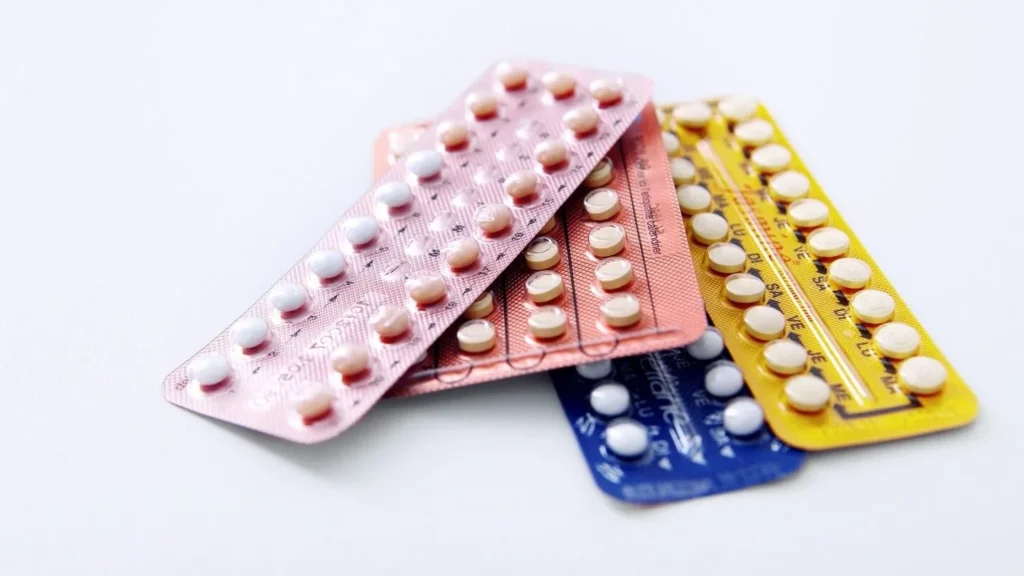
Combined Birth Control Pills: How They Work and Side Effects

What are they? Combined birth control pills, also known as “the pill”, are medications that contain an estrogen and a progestogen, a synthetic substance with an action similar to progesterone. Combined birth control pills stop your ovaries from releasing an egg. They also cause changes in the quality of cervical mucus and...

How to get pregnant: conception tips

How to Get Pregnant: Tips to Boost Your Chances

If you are hoping to conceive, don't leave it to chance. Learn how to get pregnant, starting with predicting ovulation and the dos and don'ts of maximizing fertility. Some couples seem to achieve pregnancy with minimal effort. For others it takes time. If you are looking...

Female fertility and a healthy lifestyle

Female Fertility and Lifestyle: What Really Matters

Lifestyle choices can affect a woman's ability to conceive. If you are hoping to get pregnant, you may be wondering about your fertility and whether you can improve it. Some factors may be beyond your control, such as medical issues that affect your ability to conceive....

3rd Scientific Symposium on Assisted Reproduction – “Male Infertility”

The 3rd Scientific Symposium on Assisted Reproduction, titled “Infertility of the... Male Kind”, was a great success. The male factor is just as important as the female factor in reproduction. Sperm shows reduced fertilizing capacity and a decline in its quality parameters over the years. The science of Assisted Reproduction can...

Couples and Fertility: How to Support Each Other

The decision to start a family automatically makes a couple wonder how fertile they are and how quickly they can achieve a pregnancy through natural intercourse. This is not something the couple should expect to happen right away, that is, in the first, second or even third...

Can an abortion affect a future pregnancy?

Probably not. However, in rare cases the aftermath of an abortion, such as inflammation or problems with the fallopian tube, can cause obstacles to trying to achieve pregnancy, and in some cases there is a risk of injury to the cervix, endocervical cavity and endometrial cavity. Any procedure that dilates the cervix...

Obesity and Infertility: How Weight Affects Conception

Obesity & infertility often go hand in hand. Obesity reduces fertility and it is known that a high body mass index (BMI) reduces pregnancy rates in IVF. This is why many reproductive specialists refuse to treat obese women until BMI is back to...

Male Infertility: Causes, Semen Analysis and Treatment

In about four out of ten couples who struggle to have a child, the cause lies, partly or entirely, with the man. Male infertility usually has no symptoms and is only revealed when a semen analysis is done. The good news: the workup is simple and modern laboratory techniques offer a solution even...

Fertile Days: When Is the Best Time to Conceive

Fertile days are few: six in each cycle. Sperm survive in the female body for up to five days, while the egg lives only 12 to 24 hours after ovulation. So conception is only possible when intercourse takes place in the five days before ovulation or on the same...

CONTACT Call Us