Conditions & Procedures

Conditions of the female reproductive and urinary systems and the techniques used to treat them. Read about urinary incontinence, vaginal yeast infections, ectopic pregnancy, osteoporosis and postmenopausal bleeding.

Modern, minimally invasive techniques include laparoscopy, hysteroscopy, robotic surgery and single-port laparoscopy (SPL).

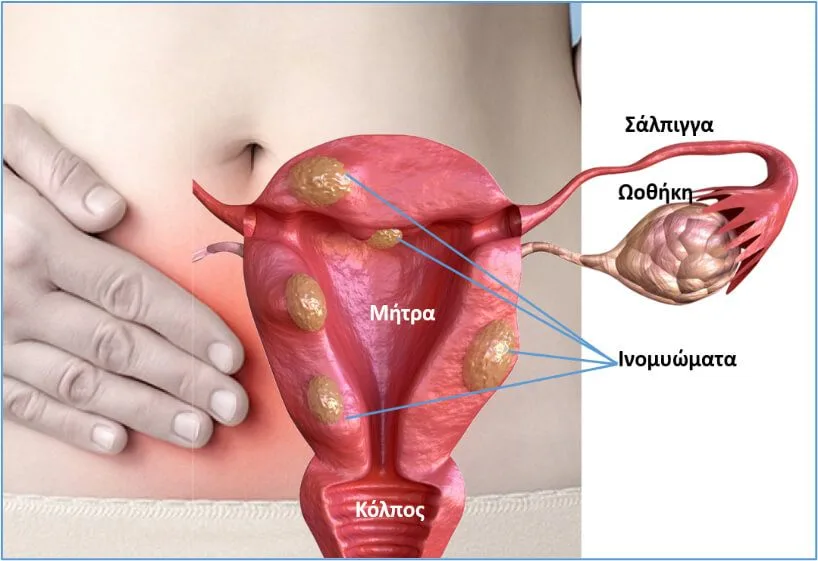
Fibroids during pregnancy

Fibroids in Pregnancy: Risks and Monitoring

The effect of fibroids on pregnancy depends on their size, number and location in the uterus. Pregnant women with uterine fibroids may experience the following: Lower abdominal pain: This is the most common complication. The larger the fibroid, the more likely it is to cause pain, especially during the...

Vaginal and penile yeast infection: symptoms

Vaginal Yeast Infection (Candidiasis): Symptoms and Treatment

What is a vaginal yeast infection? Genital yeast infections are caused by the fungus Candida albicans. Under normal conditions, Candida lives on our skin or in our gut as a saprophyte and causes no problems. However, when local conditions change, as we will explain in more...

Dilation and Curettage: When It Is Needed and Recovery

It is an alternative to hysterectomy for treating excessive blood loss during menstruation (heavy menstrual bleeding, menorrhagia). It involves removing or destroying the tissue that lines the inside of the uterus, the endometrium. This procedure is often chosen when medication has failed or if the woman does not...

Robotic Surgery in Gynecology: When It Is Used

What is the robot? The robot is a system made up of two parts: a) the surgical console, where the gynecologic surgeon sits, and b) the 4-arm system on which we mount the camera and 3 instruments, docked to the patient through 3 to 4 very small incisions in the...

Hydatidiform Mole: Symptoms, Diagnosis and Treatment

You have been diagnosed with a hydatidiform mole, also known as a molar pregnancy. The loss of your baby leaves you feeling very sad. This is also probably the first time you have heard of this condition, so you may feel shocked, confused and anxious about the future. The purpose of this...

Cervical Cancer: Symptoms, Prevention and Treatment

What are the rates and frequency of cervical cancer? Its incidence has fallen dramatically over the years, following the introduction of cervical screening programs with the cervical smear (Pap test) and regular gynecological examination. Screening usually starts at age 21 and continues at...

Pelvic Pain: Causes, Diagnosis and Treatment

It is common, as it occurs at some point in the lives of most women. Pelvic pain is often caused by the normal function of the reproductive organs. For example, many women who ovulate experience pain of varying intensity during menstruation. This pain is often called “normal”, as long as there is no pathological...

Cystitis in Women: Symptoms, Treatment and Prevention

Cystitis is inflammation of the bladder and, in the vast majority of cases, it is caused by a bacterial infection. It is one of the most common health problems in women: about half will have at least one episode in their lifetime. The reason is anatomical. The female urethra is short and located close to the...

Postmenopausal Bleeding: Causes and Evaluation

It is bleeding from a woman's genital tract that occurs after menopause, that is, after 12 consecutive months without a period. In most cases, a simple cause is eventually found. However, in some cases this bleeding may come from a serious underlying condition. If you experience bleeding after...

Heavy Menstrual Bleeding (Menorrhagia): Causes, Diagnosis and Treatment

What is menorrhagia? Menorrhagia, meaning excessive blood loss during menstruation, is a common problem. The bleeding may be prolonged, lasting 8-10 days each month, with heavy blood loss that leads to anemia, the passing of blood clots and “flooding”, that is, episodes of sudden and unexpected blood loss that...

CONTACT Call Us